
Guide · Updated May 2026
Hurricane-Season Yard Prep: The Pinellas County Checklist
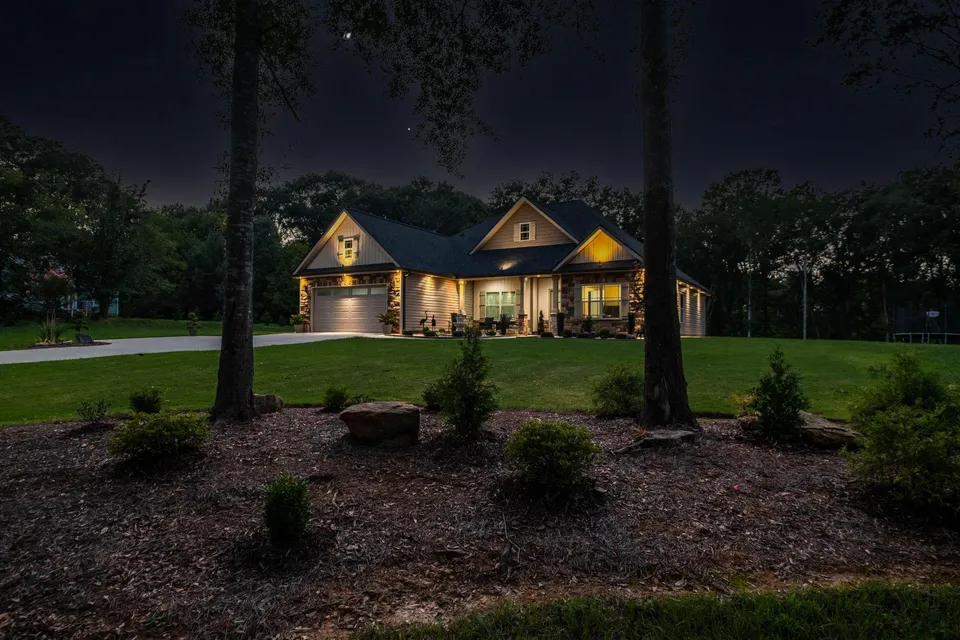
Every June, Pinellas yards divide into two groups: the ones prepared in May, and the ones creating debris piles in a watch window when pickup is already suspended. This is the checklist we run — as a company and at our own houses.
Trees: prune for structure, not drama
The wind damage that matters comes from predictable failures: codominant stems, overextended limbs above roofs, deadwood, and canopies so dense they catch wind like sails. Proper structural pruning — selective thinning by someone who knows species behavior — addresses all four. What doesn’t help: topping (creates weakly attached regrowth), lion-tailing, and the palm pineapple cut. Book real tree work for late spring; good arborists’ calendars fill by April.
Drainage: find the failure before the storm does
Walk the property during the first heavy June downpour with a coffee and honest eyes. Where does water stand? Which swale has quietly filled with mulch? Is the pool overflow clear? Gutters, downspout extensions, catch basins, and the outfall at the street — ten minutes of observation now schedules a fix in July instead of a claim in September.
The projectile audit
Wind doesn’t need to uproot an oak to break a window — it uses your own yard first. Standing inventory: potted plants, patio umbrellas, trellises not anchored to structure, garden art, stacked pavers from that unfinished project, trampolines. Assign each item a storm home (garage, pool, strapped-down) before the cone appears. Pro tip nobody follows: photograph the yard annually for insurance while it’s intact.
Hardscape and structures
Pergolas and shade sails built to code ride storms out — that’s what engineered footings and rated hardware are for. What fails: aftermarket shade sails left rigged (drop them at a watch), string lights on loose hooks, and gates left unpinned to slam themselves apart. Paver surfaces themselves are effectively stormproof; it’s what sits on them that flies.
After the storm
Resist immediate replanting of leaning trees — many recoverable trees are lost to hasty removal, and many hazards are created by amateur chainsaw work in wet soil. Stand trees back up and stake within days if roots are intact; call for assessment on anything large. Salt-flooded beds want a fresh-water rinse as soon as taps allow.
Want it handled instead?
Our maintenance plans fold storm prep into the calendar — structural pruning scheduled in spring, drainage checked monthly, and a documented pre-season pass every May. June 1 arrives either way; prepared is optional.
Quick answers
Should palms be 'hurricane cut'? +
No — the drastic pineapple cut is a myth that hurts the tree. Palms are wind-engineered by evolution; over-pruning removes the fronds that feed them and doesn't reduce risk. Remove only dead or fully brown fronds and loose seed pods. Any crew pushing a hurricane cut is selling you damage.
When should storm prep happen? +
Structural tree pruning: late spring, before season opens June 1 — debris pickup gets suspended when a storm is actually named, so last-minute cutting creates the projectiles it meant to prevent. Drainage checks: now, and again after the first big June rain shows you the truth.
Is it worth staking young trees before a storm? +
Recently planted trees (first year or two) benefit from proper staking with strapping that allows some flex. Established trees shouldn't need it — if a mature tree requires staking to face weather, the real conversation is about its structure or placement.