
April 1, 2026
Paver Patio vs. Poured Concrete in Clearwater: An Honest Comparison
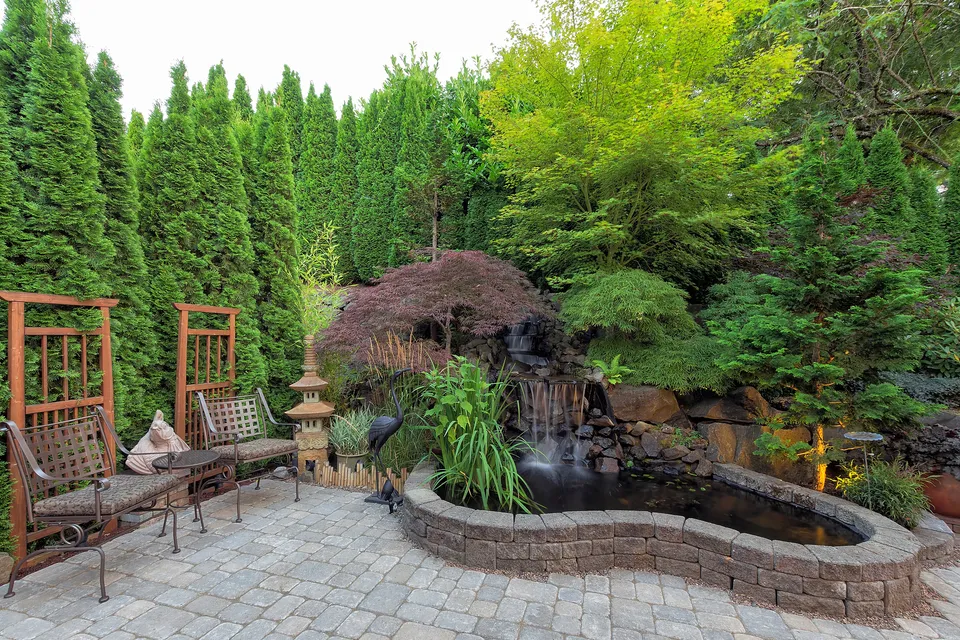
We install pavers for a living, so you’d expect us to say “pavers.” But the honest answer depends on your soil, your budget, and how long you plan to stay — so here’s the comparison we give clients at the kitchen table.
Upfront cost: concrete wins
Poured concrete typically runs meaningfully cheaper per square foot than a properly built paver patio. If the budget is fixed and the square footage is the priority, concrete gets you more patio today. That’s a legitimate choice, and anyone who pretends otherwise is selling you something.
Florida sand: pavers win, decisively
Here’s the local catch: Pinellas County sits on sandy, shifting soil, and monolithic concrete slabs answer soil movement in exactly one way — cracking. Control joints decide where it cracks, not whether. Pavers are a flexible system; thousands of individual stones move microscopically with the soil and settle back. When something does shift (a root, a washout), you lift that section, re-screed, and relay the same stones. A cracked slab is forever, or it’s demolition.
Repairs and utilities
Need to run a gas line to a future fire pit, or fix an irrigation main under the patio? With pavers, that’s an afternoon and zero visible scars. With concrete, it’s a saw cut and a patch that never matches.
Heat and comfort
Light-colored and tumbled pavers stay noticeably cooler underfoot than broom-finished concrete — worth a lot in August. Travertine is the barefoot king, which is why it dominates pool decks here.
Resale
Tampa Bay buyers read pavers as an upgrade and concrete as a default. Appraisers won’t give you a line item either way, but ask any local realtor which listing photo works harder.
The failure mode nobody quotes
Cheap paver installs fail exactly like cheap concrete: it’s the base, not the surface. If a paver bid doesn’t itemize excavation depth, base material, compaction, and edge restraint, you’re not comparing pavers to concrete — you’re comparing a future problem to a future problem. Our hardscaping page explains what a real base spec looks like.
Bottom line: staying five-plus years, or building near trees or on fill? Pavers. Flipping next spring on a tight budget? Concrete is defensible. Either way, get the base spec in writing.